Aug 05, 2026

Tiny paws, bright eyes, cute purrs and endless cuddles – this roughly sums up the joy of bringing a new kitten home. But along with the joy comes a set of responsibilities and commitment to keeping your kitten healthy, especially when it comes to protecting them against intestinal worms. Yes, worms are common in kittens and can cause serious health problems if left untreated. Therefore, a clear, practical deworming plan is crucial to help protect your kitten from intestinal parasites.
This guide explains when to start deworming, how often to repeat treatments and the best cat dewormers to help protect your kitten. Whether you’re a first-time kitten parent or revising your routine, this post will help you create a tailored deworming plan to keep your kitten healthy as it grows.
Cats of all ages are susceptible to worm infections, including roundworms, hookworms and tapeworms, which can lead to digestive issues, weakened immunity, a poor coat, weight loss, reduced energy levels and anemia. Hence, routine deworming is essential to help protect your kitten from intestinal worms and the health problems they can cause. Make sure to follow a proper deworming schedule and use vet-approved parasite preventives to keep worms away and your kitty protected.
Typically, kittens should be dewormed starting at 2-4 weeks of age. Most adult cats should be dewormed once every three months. This may differ by kitten and cat’s lifestyle and risk factors.
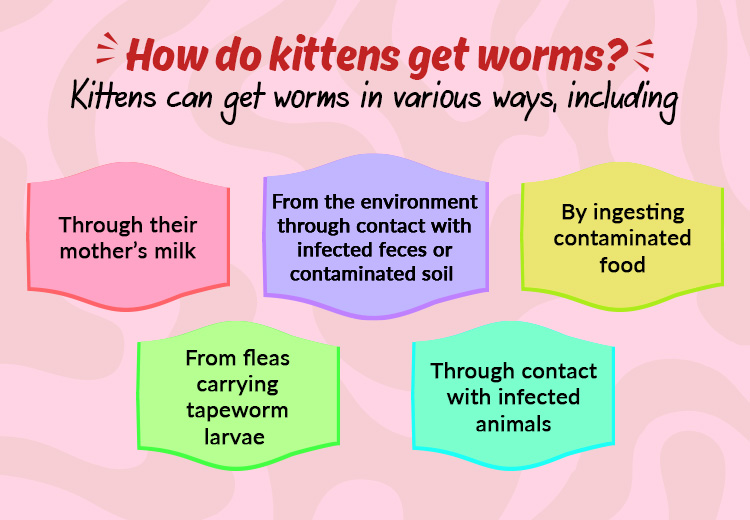
Kittens may contract worms through their mother’s milk, making deworming from a young age essential. If you have a weaned kitten that has never been dewormed, or you are not sure of its deworming history, consult your veterinarian for an appropriate deworming schedule based on your kitten's age, health, lifestyle and parasitic exposure risk. Always
Choosing an effective dewormer for your kitty can be overwhelming. Here are the top 5 dewormers that may help you keep your cat worm-free:
Regular deworming is a simple yet impactful step toward maintaining your kitten’s health and overall well-being. Start deworming early to help reduce the risk of parasite infestations, use vet-recommended treatments based on your kitten’s age and weight and follow your veterinarian’s recommended deworming schedule. Always consult your veterinarian before starting or changing a deworming plan to ensure the treatment is appropriate for your kitten’s age, weight and health condition. Remember, with timely deworming and appropriate parasite control measures, you’ll help your kitten grow into a healthy, happy and active cat.